There’s something special about walking outside and picking a tomato you grew yourself. The best part? You don’t need acres of land. A small sunny corner, a couple of raised beds, or a few big pots are enough to start a vegetable garden. This beginner’s guide walks you through every step, from choosing the spot to your first harvest.
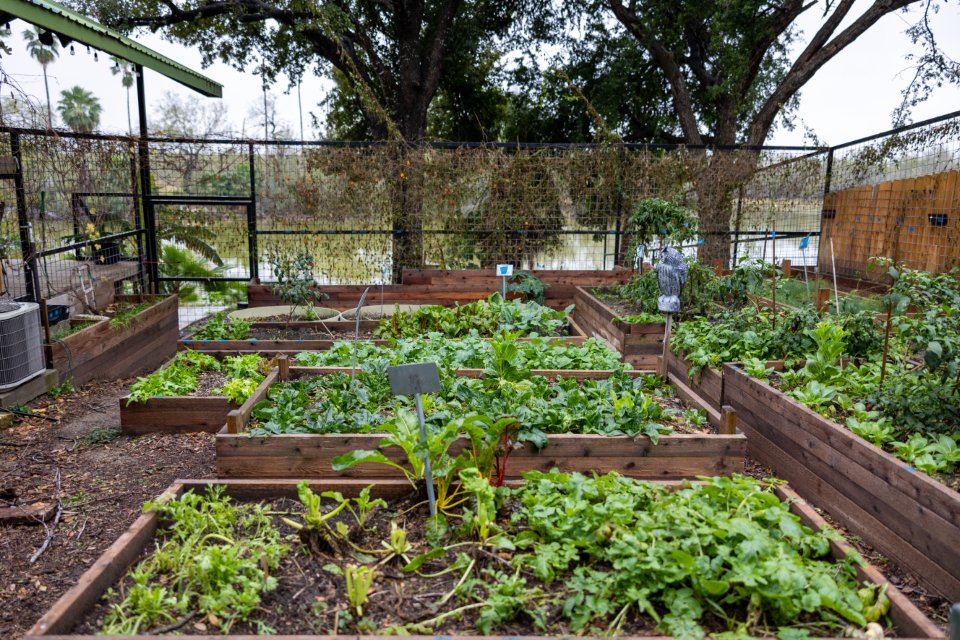
Step 1: Pick the Right Spot
- Sun: most vegetables need at least 6 to 8 hours of direct sunlight a day.
- Water access: place your garden close to a hose or spigot.
- Drainage: avoid spots where water puddles after rain.
Step 2: Choose Your Garden Style
- Raised beds: great drainage, warmer soil in spring, and easier on your back.
- Containers: ideal for patios and balconies. Choose pots with drainage holes.
- In-ground beds: lowest cost if you have decent soil.
- Vertical gardening: trellises for cucumbers, beans, and peas save space.
Step 3: Prepare Healthy Soil
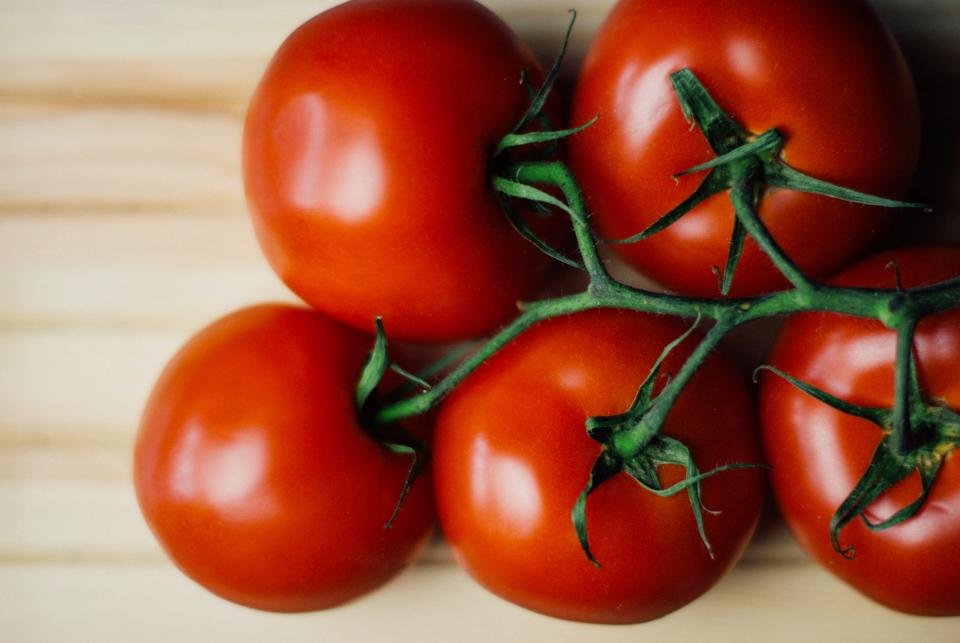
Good soil is the foundation of a productive garden. For raised beds, use a mix of quality topsoil and compost. For containers, use potting mix rather than garden soil. Adding compost each season improves nutrients and structure. A simple soil test from a local extension office can tell you what your soil needs.
Step 4: Choose Easy Vegetables
| Vegetable | Why It’s Beginner-Friendly |
|---|---|
| Lettuce and salad greens | Fast-growing; harvest leaves continuously |
| Radishes | Ready in about a month |
| Bush beans | Productive and low-maintenance |
| Zucchini | Very productive (one or two plants are plenty) |
| Cherry tomatoes | Easier than large tomatoes; great in containers |
| Herbs (basil, parsley, chives) | Useful and easy to grow in pots |
Step 5: Know Your Planting Dates
Find your area’s average last frost date. Cool-season crops like lettuce, peas, and radishes can go in earlier, while warm-season crops like tomatoes, peppers, and squash should be planted after the danger of frost has passed. In the U.S., the USDA Plant Hardiness Zone map is a helpful reference.
Step 6: Plan Your Layout
- Put tall plants (tomatoes, trellised cucumbers) on the north side so they don’t shade shorter crops.
- Follow spacing on seed packets to avoid overcrowding.
- Try square-foot gardening to maximize small beds.
Step 7: Water Wisely
- Water deeply and less often rather than a little every day.
- Water at the base of plants in the morning.
- Use mulch to keep moisture in and weeds down.
- Containers dry out faster and may need daily watering in hot weather.
Step 8: Maintain Your Garden
- Pull weeds while they’re small.
- Check plants regularly for pests.
- Feed heavy feeders like tomatoes with compost or a balanced fertilizer.
- Harvest often: many plants produce more when picked regularly.
Common Beginner Mistakes
- Planting too much at once
- Not enough sun
- Overwatering or underwatering
- Planting warm-season crops too early
A Simple First-Year Vegetable Garden Plan
If you’re starting with one 4×8-foot raised bed, here’s an easy layout to try:
- Back row (north side): two cherry tomato plants with cages or stakes
- Middle: one zucchini plant and a row of bush beans
- Front: lettuce, radishes, and a few herbs like basil and parsley
This mix gives you quick wins (radishes and lettuce) while you wait for the slower crops. It’s a great way to build confidence in your first vegetable garden.
Vegetable Garden Tools You Actually Need
- A trowel and a hand fork
- Gardening gloves
- A watering can or hose with a gentle spray nozzle
- Pruners or sharp scissors
- Stakes, cages, or a trellis
- Mulch
If you’re building raised beds yourself, a good cordless drill makes the job much faster.
Dealing With Pests Naturally
Every vegetable garden attracts a few visitors. Check the undersides of leaves for eggs and bugs, hand-pick larger pests, and use a strong spray of water for aphids. Planting flowers like marigolds and herbs nearby can attract helpful insects. Healthy plants in good soil are also more resistant to pests.
Know Your Growing Zone
Your climate decides what you can grow and when. In the U.S., the USDA Plant Hardiness Zone Map helps you understand your area, and your local extension office can share planting calendars for your region.
Want the rest of your yard to be just as easy? Our low-maintenance backyard ideas pair perfectly with a small vegetable garden.
Vegetable Garden FAQ
How big should a beginner vegetable garden be?
Start small, such as one or two raised beds or a handful of containers. It’s easier to expand next year than to manage too much at once.
Can I grow vegetables in pots?
Yes. Tomatoes, peppers, lettuce, herbs, and bush beans all grow well in containers with good drainage.
How often should I water my vegetable garden?
Water deeply when the top inch of soil is dry. In hot weather, containers may need water every day.
What’s the easiest vegetable to grow?
Radishes, lettuce, and bush beans are among the easiest for beginners.
When to Harvest Your Vegetable Garden
- Lettuce: pick outer leaves once they’re large enough to eat.
- Radishes: harvest when roots are about an inch wide.
- Beans: pick when pods are firm and before seeds bulge.
- Zucchini: harvest young, around 6 to 8 inches long, for the best flavor.
- Tomatoes: pick when fully colored and slightly soft to the touch.
Harvesting often keeps many plants productive. Check your vegetable garden every day or two during peak season so nothing gets overripe.
Key Takeaways
- Choose a spot with at least 6 to 8 hours of sun.
- Start with good soil and easy crops like lettuce, radishes, and bush beans.
- Water deeply, mulch, and harvest often.
- Start small and expand next season.
A small vegetable garden can be surprisingly productive. Plant a few favorites this season and enjoy the harvest.
One More Tip
Do I need fertilizer for a vegetable garden?
If you start with good soil and add compost each season, many crops will do well with little or no extra fertilizer. Heavy feeders like tomatoes and squash may benefit from a balanced organic fertilizer during the season. Follow the label and avoid overfeeding, which can produce lots of leaves but fewer vegetables.
Final Thoughts
Start small with a sunny spot, good soil, and a few easy crops. Once you see how much a small garden can produce, you can expand next season.