Solar panels used to feel like something only eco-enthusiasts with big budgets would buy. Today, they’re showing up on ordinary roofs in ordinary neighborhoods. But just because your neighbor got solar panels doesn’t mean they’re a smart move for you. Let’s walk through the questions that actually decide whether solar panels are worth it for your home.
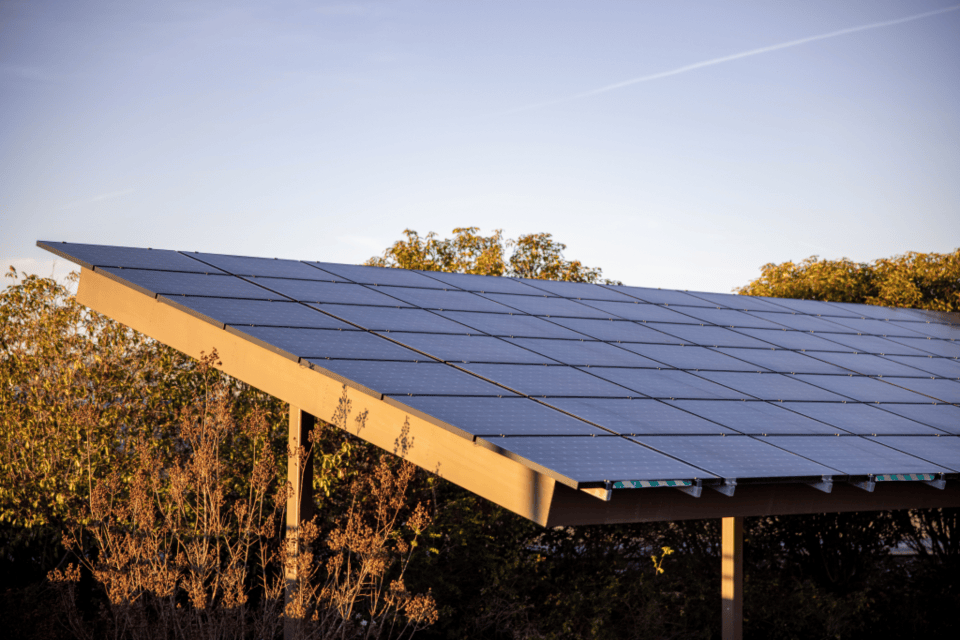
How Home Solar Works
Solar panels convert sunlight into electricity. An inverter turns that power into the type your home uses. When your panels produce more than you need, the extra can often be sent to the grid, and depending on your utility’s rules, you may receive credits through net metering or a similar program. Some homeowners also add batteries to store power for evenings or outages.
Signs Solar Could Be a Good Fit
- High electricity rates: the more you pay per kilowatt-hour, the faster solar can pay for itself.
- Plenty of sun: south-facing roofs (in the Northern Hemisphere) with little shade are ideal, though east- and west-facing roofs can also work.
- A roof in good condition: panels can last 25 years or more, so it’s smart to replace an aging roof first.
- Plans to stay: the longer you live in the home, the more savings you collect.
- Good incentives: tax credits, rebates, or favorable net metering policies improve the math.

When Solar May Not Make Sense
- Your roof is heavily shaded by trees or buildings.
- Your electricity bills are already very low.
- You plan to move within a few years.
- Your utility offers little or no credit for excess power.
Understanding the Costs
System prices vary widely by region, system size, equipment, and installer. Instead of relying on national averages, get at least three written quotes. Compare them by price per watt, which makes different system sizes easier to compare. Also ask what’s included: permits, monitoring, warranties, and any roof work.
Ways to Pay for Solar
| Option | Pros | Cons |
|---|---|---|
| Cash purchase | Highest long-term savings; you get incentives | Large upfront cost |
| Solar loan | You own the system; little or no money down | Interest reduces savings |
| Lease or PPA | No upfront cost; maintenance often included | You don’t own it; may complicate selling your home |
How to Estimate Your Payback Period
- Find your annual electricity cost from your past 12 bills.
- Ask installers how much of your usage their system is expected to cover.
- Subtract incentives from the system price to get your net cost.
- Divide the net cost by your expected yearly savings.
For example, if your net cost is $15,000 and the system saves you $1,500 a year, the simple payback is about 10 years. Everything after that is savings, minus any maintenance.
Questions to Ask Installers
- Are you licensed and insured in my state?
- What warranties cover the panels, inverter, and workmanship?
- How will you handle roof penetrations and leaks?
- Who handles permits and utility interconnection?
- What production do you estimate, and how did you calculate it?
Other Benefits
- Protection from future electricity price increases.
- Possible increase in home appeal to buyers.
- Lower carbon footprint.
- Backup power if you add a battery.
Solar Panels Pros and Cons at a Glance
| Pros | Cons |
|---|---|
| Lower or near-zero electric bills | High upfront cost |
| Protection from rising electricity prices | Savings depend on sun and local policies |
| Long lifespan with little maintenance | Roof work can be more complicated later |
| Possible incentives and tax credits | Leases can complicate selling your home |
How to Size Solar Panels for Your Home
Installers size a system based on how much electricity you use, not how big your house is. Grab your last 12 months of bills and add up the kilowatt-hours. That total, along with your roof’s direction and shading, tells an installer how many solar panels you need to cover most or all of your usage.
Before you size anything, cut waste first. Every kilowatt-hour you save with LED bulbs, a smart thermostat, or better insulation means fewer solar panels to buy. Our guide on how to lower your energy bill in winter is a good starting point.
Red Flags When Shopping for Solar Panels
- High-pressure sales: “This price is only good today” is a warning sign.
- Vague production estimates: a good installer explains exactly how they calculated your expected output.
- Confusing contracts: make sure you know whether you’re buying, financing, or leasing.
- No local reviews: look for installers with a track record in your area.
The U.S. Department of Energy has a helpful Homeowner’s Guide to Going Solar that walks through questions to ask and how incentives work.
Maintaining Solar Panels
Solar panels don’t need much care. Rain usually keeps them clean enough, though heavy dust, pollen, or snow can reduce output for a while. Most systems include monitoring, so you can spot a drop in production quickly. If you see one, contact your installer rather than climbing on the roof yourself.
Solar Panels FAQ
Do solar panels work on cloudy days?
Yes, but they produce less electricity. Many cloudy regions still have successful solar markets because panels generate power from daylight, not just direct sun.
How long do solar panels last?
Many panels come with warranties of around 25 years and can keep producing power beyond that at gradually lower output.
Do solar panels increase home value?
Owned systems can make a home more appealing to buyers, especially where electricity is expensive. Leased systems are more complicated because the lease usually has to be transferred.
Can I install solar panels myself?
Some DIYers do, but it involves roof work, electrical connections, permits, and utility approval. Most homeowners hire a licensed installer.
Is Now a Good Time to Buy Solar Panels?
There’s rarely a perfect moment. Equipment prices, interest rates, and incentives all change over time, and waiting for the “best” deal can mean missing out on years of savings. A better approach is to get quotes now, compare them carefully, and decide based on today’s numbers. If solar panels don’t make sense this year, revisit the idea when your roof is replaced or your electricity rates go up.
One more tip: ask each installer how they would handle a future roof replacement. Removing and reinstalling solar panels costs money, so it’s worth knowing the plan in advance.
Final Thoughts
Solar panels are often worth it for homeowners with sunny roofs, high electricity rates, and plans to stay put. Run the numbers with your real bills, compare multiple quotes, and check current incentives in your area before signing a contract.
Note: Incentives and utility policies change frequently. Check current federal, state, and utility programs before making a decision.